
Start from requirements
Content structure, traffic patterns, integrations, security needs and your internal skills shape the choice.
Custom website development
Creolume is a custom website development company with a senior team in India serving clients worldwide. We deliver professional web design and development: the right tech stack for your goals, clean integrations with the tools you use, an architecture that scales and an agile process that keeps you informed. You can hire web developers in India as a project team or as an extension of your own.
Overview
A website is a working part of your business. It takes orders, captures leads, shares knowledge, supports customers and connects to the systems your team already uses. When it is built as a design layered on top of a template, it tends to struggle with all of that. When it is engineered, it keeps working as the business grows.
Our custom website development begins with understanding what the site must do, who uses it and what it must connect to. We then choose a technology stack, design the architecture, plan the build in short iterations and test thoroughly. You get software that is documented, secure and easy to extend.
We build marketing sites, corporate sites, portals, e-commerce experiences and web applications. Some clients bring a design and need a development team. Others need strategy, design and engineering together.
We are honest about trade-offs. Sometimes a platform such as WordPress, Shopify or Webflow is the better choice than custom code, and our other services cover those. We recommend what fits, not what is largest.
Explore our wider digital services or see recent work.
Right-sized technology: a stack chosen for your goals, team and budget.
Integrations that work: payments, CRM, ERP and APIs connected cleanly.
Agile and transparent: short cycles, visible progress, no surprises.
Tech stack selection
There is no best stack, only the right one for your team, timeline, scale and budget. We explain the options and the trade-offs in plain language.
Content structure, traffic patterns, integrations, security needs and your internal skills shape the choice.
We favour mature frameworks with strong communities and long-term support over fashionable choices.
A stack your team or a future vendor can understand reduces cost and risk.
Sometimes a platform plus custom work beats a full custom build. We show costs and limits of each.
Engineering
Good websites are built in layers that are easy to understand and change.
Reusable interface components keep design consistent and speed up changes.
Static, server-rendered and client-rendered approaches are used where they fit.
Business logic sits behind clean, documented endpoints.
Data models are designed for the queries you actually run.
Sign-in, roles and permissions are built with standard, reviewed patterns.
CDNs and caching keep pages fast under load.
Pricing
Every project is different, so these are indicative starting points rather than fixed quotes. Choose the plan closest to your situation, choose your currency (US dollars, pounds, euros or Canadian dollars), and we will confirm an exact proposal after a short discovery call.
Prices are indicative starting points for the scope listed, excluding hosting, third-party licences, premium integrations and content production beyond the plan. Final proposals follow discovery.
A custom-designed, CMS-driven site for a growing business.
from$1,500
one-time project
A custom site with integrations, advanced features and a staging pipeline.
from$3,500
one-time project
A scalable web application or multi-region platform with a dedicated team.
from$8,000
one-time project
What we build
Pick a project type to see how we approach it.
Clear, fast sites that explain a business and generate enquiries. We combine design, content structure, CMS and SEO foundations.
Stores with custom product logic, pricing rules or integrations that standard themes cannot handle.
Logged-in experiences for customers, partners and staff: dashboards, booking, quoting and workflows.
Where a platform fits, we build custom themes, plugins and extensions on top of it.
Older sites often hold valuable content and traffic. We modernise the stack and the design while protecting what works.
API integrations
Few websites live alone. Orders, leads and customers need to move between the site and the systems behind it. We design integrations that are reliable and observable.
Clients
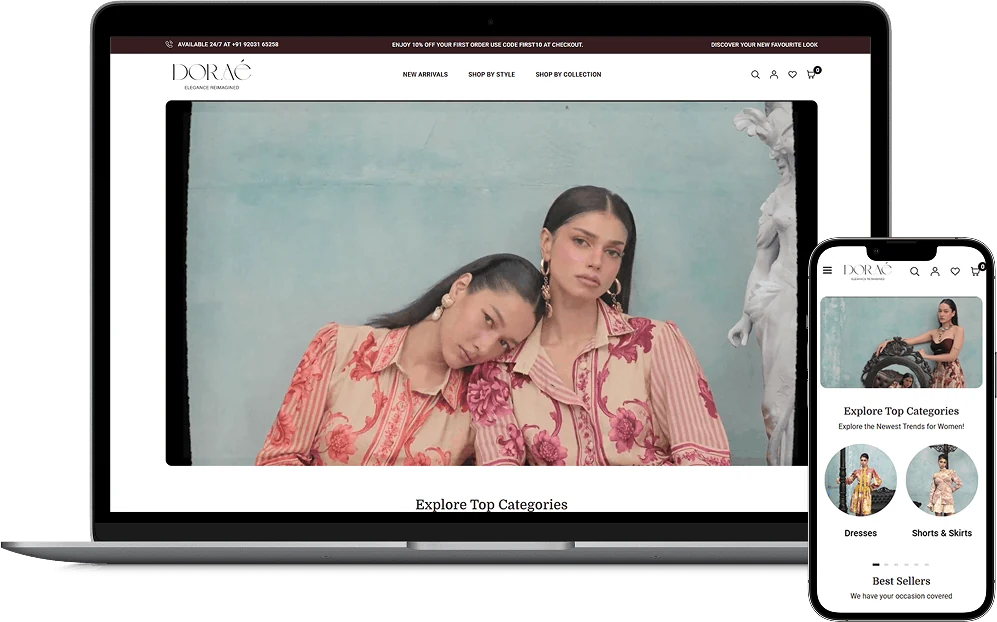
The shop feels like us. The clothes get all the attention, especially on a phone.
 Shubhangi JalanFounder

My favourite detail is being able to start with a diamond shape. Sometimes all a customer knows is that she loves a pear cut. I like that she can go straight to those rings.
 Jemis PatelFounder
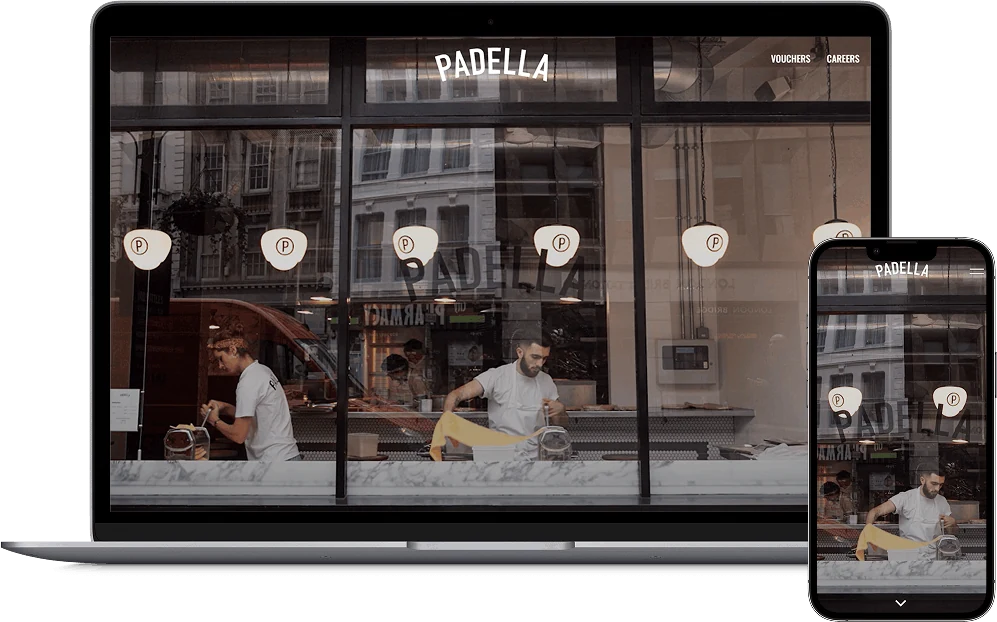
Today's pasta, right there on the homepage. Exactly what we wanted.
 Tim SiadatanChef and co-founder

When someone asks about our projects, the conversation often starts a step earlier: why Dholera? I’m glad Creolume made room for that on the site. I can send someone the link and they can read about the area, look at the residential projects and come back to us with a particular property in mind.
 Abhishek BhauwalaPartner

Patients don't always know the name of the consultant they need. They might only know the scan their doctor mentioned. Being able to start the search with either one makes a real difference to how the site feels.
 Philip LuceChief Executive
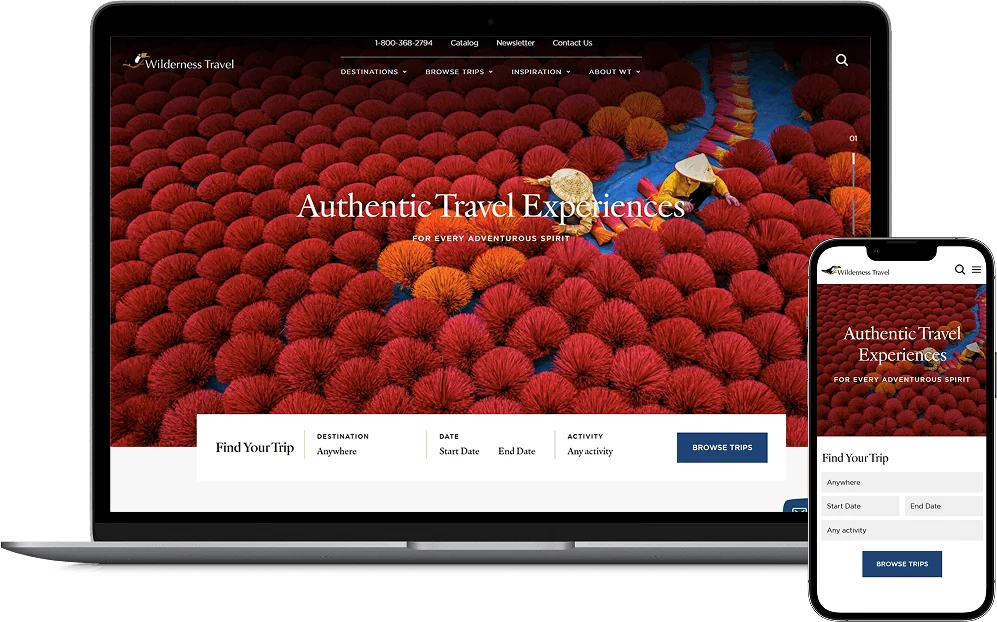
I went in looking for Japan and ended up browsing the rest of Asia. That's pretty much what we hoped people would do.
 Nicole AbbottManaging Director
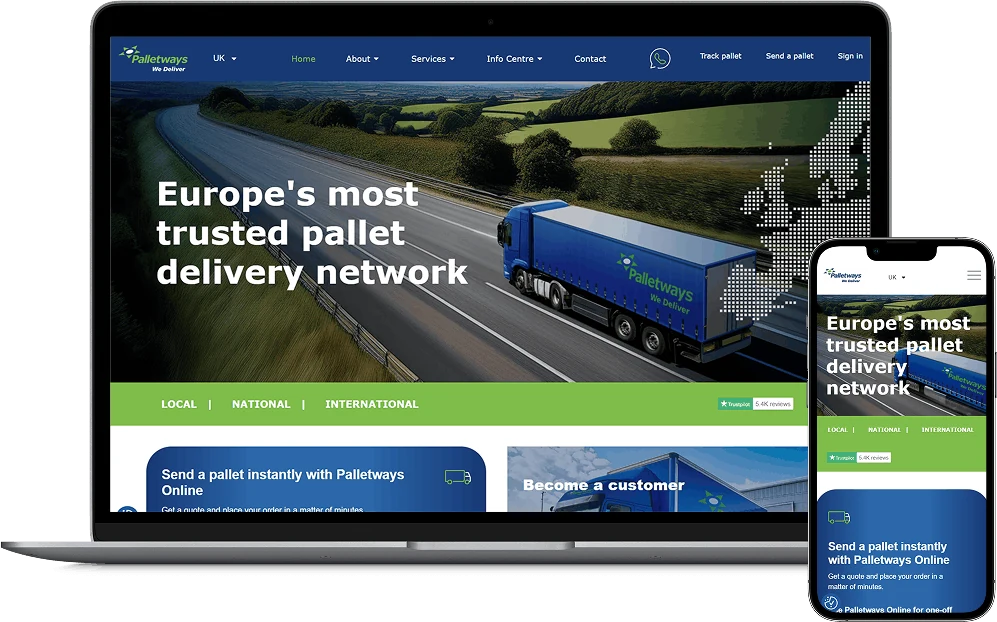
The tracking link is easy to spot. Small thing, but it's the first thing I'd look for as a customer. Happy to recommend Creolume.
 Luis ZubialdeCEO




















Scalability
Scale is not only about traffic. It is about more content, more editors, more regions and more integrations without slowing delivery.
Agile delivery
Short cycles keep you close to the work and let you steer. This is a typical rhythm.
| Cadence | What happens | What you see |
|---|---|---|
| Discovery | Requirements, user flows, priorities, risks | A scoped backlog and plan |
| Sprints (1 to 2 weeks) | Design and build of agreed features | A working increment each sprint |
| Sprint review | Demo, feedback and reprioritisation | Live walkthrough of what was built |
| QA and staging | Testing on devices and browsers | A stable release candidate |
| Launch | Deployment, monitoring and handover | A live site with documentation |
Timelines depend on scope and how quickly decisions are made. We agree milestones after discovery.
Quality
Quality is a habit, not a final check. We build these practices into every sprint.
Every change is reviewed, and critical paths have automated tests.
We follow secure coding practices, validate inputs, manage dependencies and keep credentials out of code.
We build to widely used accessibility guidelines, with keyboard, contrast and screen reader checks.
We measure page weight and speed from the start so the site stays fast.
Build. Code and review. Test. Automated and manual. Check. Security and access. Ship. Release and monitor.
SEO
A beautiful site that search engines cannot read wastes its potential. We build the technical foundations of SEO into the code.
Design
Design and engineering work best as one process. Decisions made together avoid expensive rework.
After launch
A good build is easy to take forward, whether with us or with your own team.
Delivered to you with clear structure and version history.
Setup, deployment, architecture and integration notes.
Short sessions and guides so your team can manage content.
A defined window after launch to fix issues quickly.
Ongoing updates, monitoring and security under a care plan.
Regular reviews to plan new features and improvements.
Security
A custom site holds customer data and connects to business systems, so security has to be part of the build from the first sprint.
Accessibility
An accessible site is usable by more people and tends to be better built for everyone. We include accessibility in design, code and testing.
Semantic structure with headings, landmarks and labels that assistive technology understands.
Keyboard operation for menus, forms, dialogs and carousels.
Colour and contrast checked against widely used guidelines.
Text alternatives for images, icons and media.
Forms that explain themselves with clear labels, errors and instructions.
Testing with real tools such as screen readers and automated checks.
Who it is for
Custom development suits organisations with needs that off-the-shelf tools cannot meet.
Engagement
Our designers, front-end and back-end developers, QA engineers and project managers work with clients around the world. We use shared boards, sprint demos and clear written updates, with working hours that overlap yours.
You can engage us for a fixed-scope project or as a dedicated team that grows with your roadmap.
Process
A clear, iterative process keeps scope, budget and quality visible.
Step 01
We study your goals, users, content, systems and constraints, and agree priorities. You receive: a scoped plan.
Step 02
We create flows, wireframes and visual design, tested with your team. You receive: approved designs.
Step 03
We select the stack, define data models and plan integrations and environments. You receive: an architecture plan.
Step 04
We develop in sprints with regular demos on a staging site. You receive: working increments.
Step 05
We run functional, device, performance and security checks. You receive: a release candidate.
Step 06
We deploy, monitor and support the site after go-live. You receive: a live, documented site.
Share your goals, the systems it must connect to and any designs or documents you have. We'll reply with a recommended approach, a stack and a first estimate.
FAQs
Answers to the questions we hear most often. If yours is not here, ask us directly.
It designs and builds websites and web applications to fit a business's goals, rather than adapting a generic template. This includes planning, design, engineering, integrations, testing, launch and support.
Cost depends on scope, features, integrations and the level of design. Our pricing section shows indicative starting points in US dollars and Indian rupees, and we confirm a detailed estimate after discovery.
A business website can take several weeks. Integrated platforms and applications take longer. We agree milestones after discovery.
Yes. We can add developers to your team or take over parts of the work, using your tools and process where possible.
We start from your requirements, team skills, timeline and budget, then recommend proven technologies and explain the alternatives and trade-offs.
Yes. We build and test integrations with common platforms and custom systems through APIs, with logging and error handling.
We design for growth with modular architecture, caching and monitoring, and we discuss expected traffic and content volume during discovery.
Yes. We work in short sprints with regular demos so you can review progress and adjust priorities.
You do, on final payment, as set out in the agreement. We provide source code and documentation.
Yes. We provide a support period after launch and can continue with maintenance, hosting guidance and further development.
Yes. When a platform is the better fit, we build on it and extend it. Our WordPress, Shopify and other platform services cover these projects.
In agile delivery, priorities can change between sprints. We agree how changes affect scope, time and cost, so you stay in control.
Yes. We review the code and architecture, tell you what is sound and what is not and then continue the work or recommend a different route.
We follow secure development practices, validate inputs, protect credentials, keep dependencies updated and design data collection to respect consent and privacy rules in your markets.
Yes. We design and test to widely used accessibility guidelines, including keyboard use, contrast and screen reader support, and we document what we tested.
Yes. We agree overlapping hours, hold sprint reviews at times that suit you and keep communication clear through shared boards and written updates.
Yes, where they serve a real user need, such as search, recommendations or support. We design for privacy, cost control and human oversight rather than adding AI for its own sake.
After discovery we break the work into features, estimate each one and share the assumptions and risks. You receive a range and a plan, and we update both as decisions are made.